



Project Overview
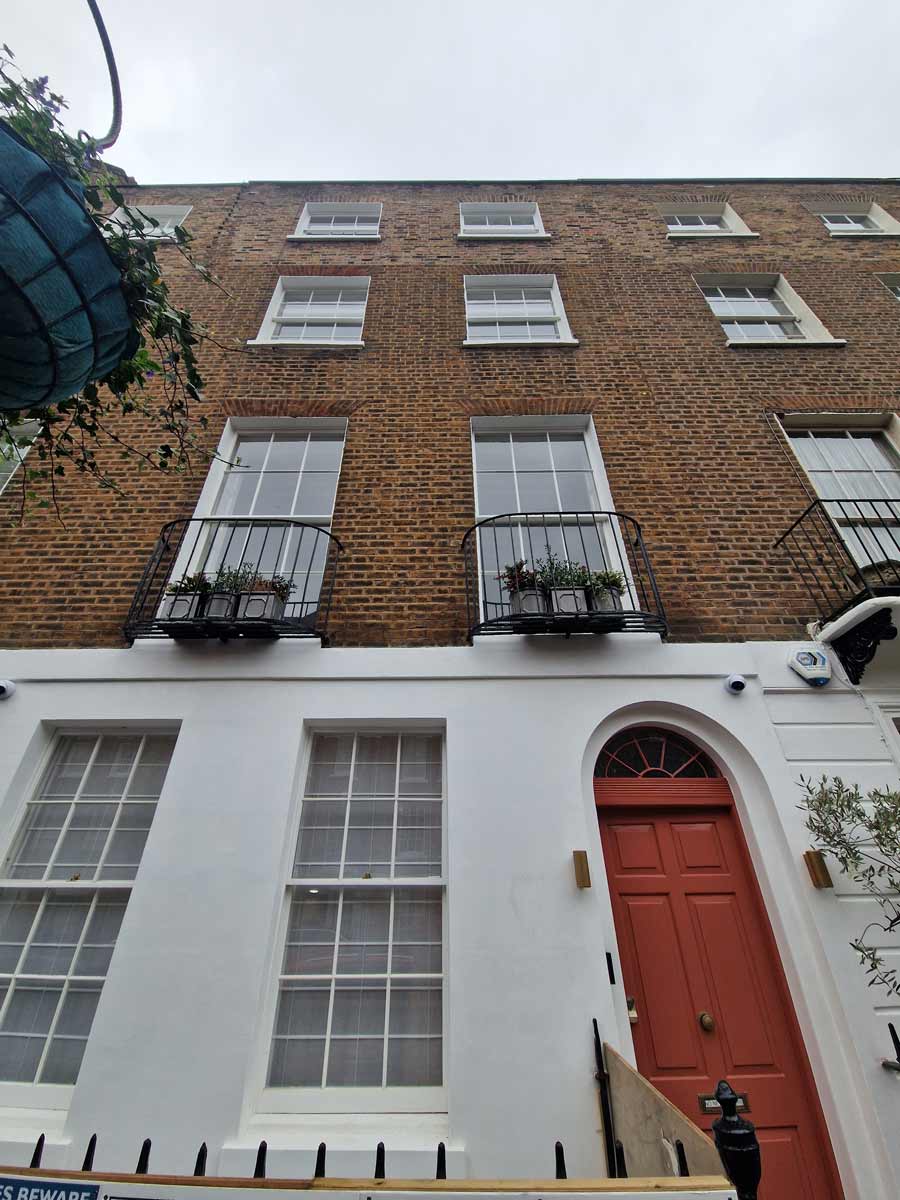
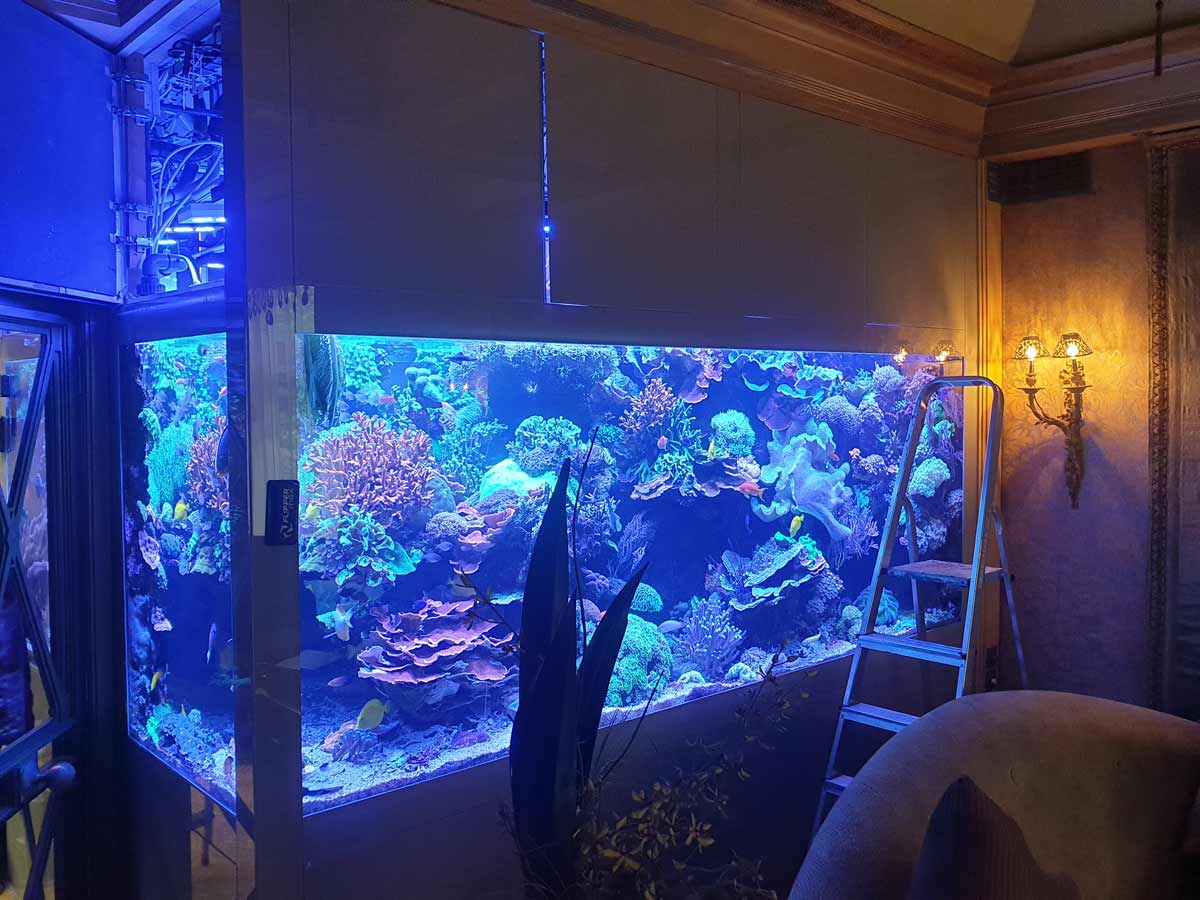
Located on the edge of Hyde Park in Central London, this extraordinary private residence houses what is widely regarded as Europe’s largest indoor residential coral reef aquarium.
The installation recreates a fully functioning tropical reef ecosystem in a London basement environment — requiring precise environmental control, continuous monitoring, and absolute network reliability to sustain coral growth, marine life, specialist lighting systems, circulation pumps, filtration, and temperature regulation.
The Challenge
A living coral reef demands:
- Stable water temperature within tight tolerances
- Highly controlled lighting cycles that replicate tropical daylight
- Continuous circulation, filtration and oxygenation
- Remote monitoring and alerting
- Zero downtime
The client had an existing network and control system in place, but it had become:
- Difficult to manage
- Hard to monitor remotely
- Unreliable under load
- Lacking proper segmentation between residential and technical systems
With mission-critical aquarium equipment operating both:
- Above and around the display tank
- In the technical plant/sump room
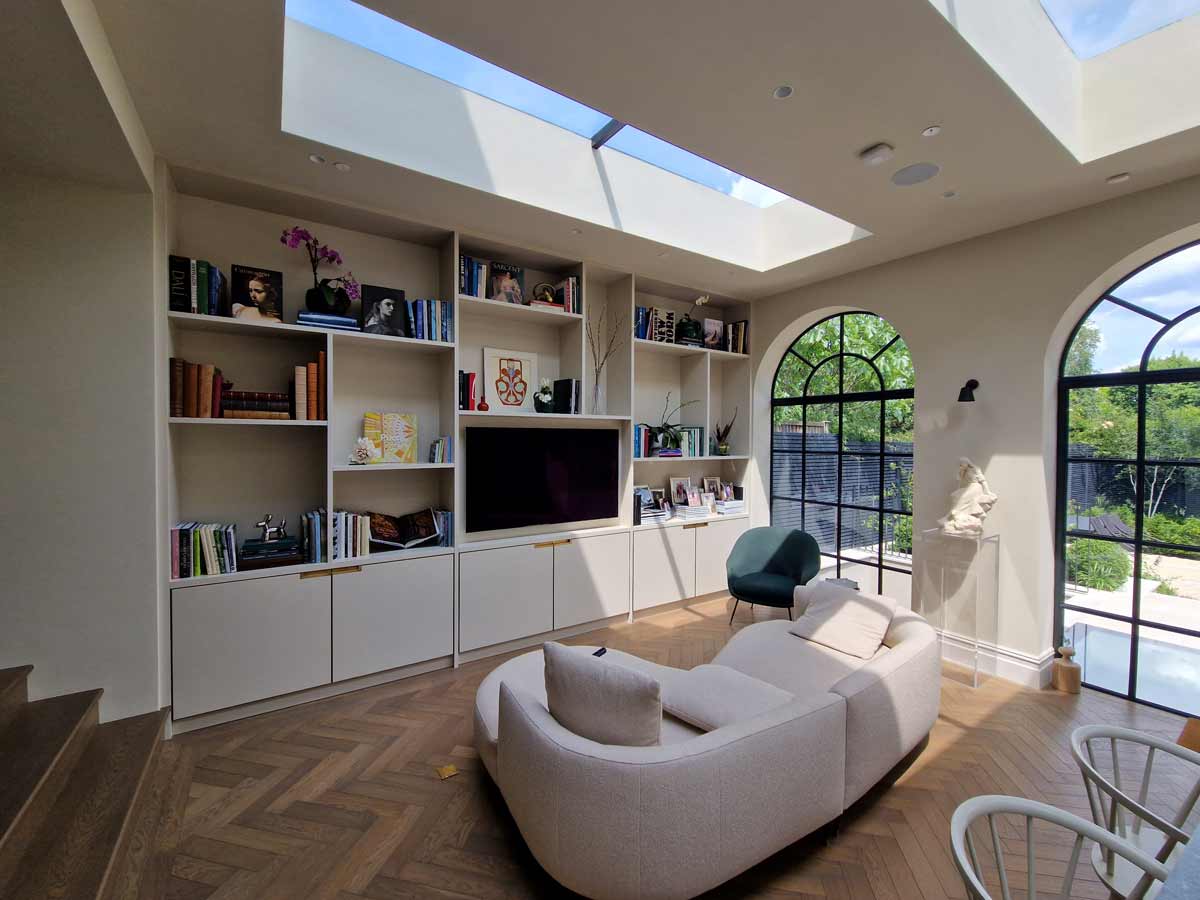
- Throughout the apartment infrastructure
— the system needed a complete rethink.
Our Approach
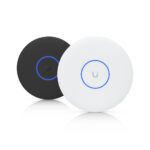
After a full technical site survey, we designed and deployed a fully managed network infrastructure built on the Ubiquiti Inc. UniFi platform.
Key Deliverables
1. Full Network Migration
We removed the legacy infrastructure and migrated the entire property onto a managed UniFi ecosystem.
2. Managed Controller & Switching
Installed a centralised controller with managed PoE switching to provide:
- Real-time visibility
- Performance analytics
- Remote support capability
- Simplified maintenance
3. Extended Wi-Fi Coverage
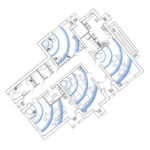
We redesigned and extended wireless coverage throughout the apartment to ensure stable connectivity for both residential use and aquarium systems.
4. Dedicated Aquarium VLAN
A critical element of the solution was creating a separate managed VLAN exclusively for the aquarium equipment.
This allowed:
- Isolation from the residential network
- Increased security
- Controlled traffic prioritisation
- Greater resilience
- Easier troubleshooting
All pumps, lighting systems, temperature controllers and monitoring equipment were segmented onto this dedicated network.
The Result
The solution has now been operational for approximately five years.
During that time:
- The system has remained stable and reliable
- Environmental controls have operated without disruption
- Firmware and hardware upgrades have been handled seamlessly
- The client has required minimal reactive support
- The coral reef continues to thrive under consistent environmental conditions
The network has effectively become invisible — doing its job quietly in the background while supporting one of the most technically demanding private residential environments in Europe.
Why It Matters
Living ecosystems depend on precision.
By delivering a properly segmented, professionally managed network infrastructure, we ensured that:
- Environmental controls remain stable
- Remote monitoring is always available
- Equipment failures are minimised
- Maintenance is proactive rather than reactive
This project demonstrates how enterprise-grade networking, when properly designed and implemented, can support even the most complex and biologically sensitive residential installations.